Rochester Blog

Sample Page

Author: admin

  • How Innovation Drives Business Success

    How Innovation Drives Business Success

    Innovation  has become one of the most important factors behind business success in today’s rapidly changing world. Companies Hubet that continuously develop new ideas, improve their products, and adapt to changing customer needs are more likely to remain competitive and achieve long-term growth. Innovation is not limited to creating groundbreaking technology or launching revolutionary products. It also includes finding smarter ways to work, improving customer experiences, and developing creative solutions to everyday challenges. Businesses that embrace innovation build stronger brands, increase efficiency, and create greater value for both customers and employees.

    Understanding Innovation in Business

    Innovation is the process of introducing new ideas, methods, products, or services that improve business performance. It involves thinking creatively, solving problems, and finding better ways to meet customer expectations.

    Many people associate innovation with major inventions, but even small improvements can have a significant impact. Updating business processes, improving customer service, or introducing more efficient technologies are all examples of innovation. Companies that encourage continuous improvement often discover opportunities that help them stay ahead of competitors.

    Innovation is not a one-time achievement but an ongoing commitment to growth and progress.

    Why Innovation Is Essential

    The business environment changes constantly due to advances in technology, evolving customer preferences, and increasing competition. Businesses that remain unchanged may struggle to keep up with these developments.

    Innovation allows organizations to adapt quickly by responding to market demands with new ideas and improved solutions. It helps companies stay relevant while creating products and services that better satisfy customer needs.

    Businesses that embrace innovation are also better prepared to overcome challenges because they develop flexible strategies that allow them to adjust when circumstances change.

    Creating Better Products and Services

    One of the most visible benefits of innovation is the development of improved products and services. Companies that regularly gather customer feedback and study market trends can identify opportunities to enhance what they offer.

    Innovation may involve adding new features, improving quality, simplifying designs, or making products more affordable. These improvements increase customer satisfaction and strengthen brand loyalty.

    By consistently delivering value, businesses encourage repeat purchases and build long-lasting relationships with their customers.

    Improving Operational Efficiency

    Innovation is not only about what businesses sell but also about how they operate. Modern technology and automation help organizations complete tasks faster while reducing errors and operating costs.

    Digital tools improve communication, simplify project management, and automate repetitive tasks, allowing employees to focus on higher-value activities. Efficient operations increase productivity and improve the overall performance of the business.

    Companies that continuously improve their internal processes often achieve better financial results while delivering faster and more reliable services.

    Encouraging Creativity Among Employees

    Successful innovation begins with people. Businesses that encourage employees to share ideas and solve problems creatively often discover valuable opportunities for improvement.

    Creating an environment where employees feel comfortable expressing new ideas leads to greater engagement and collaboration. Team members from different departments can contribute unique perspectives that inspire innovative solutions.

    Recognizing and rewarding creativity also motivates employees to continue thinking beyond traditional methods and contribute to the organization’s long-term success.

    Strengthening Customer Relationships

    Innovation helps businesses better understand and serve their customers. Personalized services, faster support, user-friendly websites, and convenient digital experiences all contribute to higher customer satisfaction.

    Businesses that actively listen to customer feedback can identify areas where improvements are needed. By responding quickly to changing preferences, companies demonstrate that they value their customers’ opinions.

    Satisfied customers are more likely to remain loyal, recommend the business to others, and support future growth through positive word-of-mouth.

    Staying Competitive in Changing Markets

    Competition continues to increase across nearly every industry. Businesses that fail to innovate risk losing customers to competitors who offer more modern solutions or better experiences.

    Innovation allows companies to differentiate themselves by offering unique products, improved services, or more efficient solutions. It also enables businesses to identify emerging trends before competitors, creating new opportunities for expansion.

    Organizations that continuously innovate remain adaptable and resilient even during periods of economic uncertainty or market disruption.

    Building a Culture of Continuous Innovation

    Innovation should become part of a company’s everyday culture rather than an occasional project. Leaders play a key role by encouraging experimentation, supporting learning, and accepting that some ideas may not succeed.

    Providing employees with opportunities for training, collaboration, and professional development strengthens the organization’s ability to generate fresh ideas. Open communication and a willingness to embrace change create an environment where innovation naturally flourishes.

    A culture of continuous innovation helps businesses remain prepared for future opportunities and challenges.

    Conclusion

    Innovation is one of the strongest drivers of business success in the modern world. It enables organizations to improve products, increase efficiency, strengthen customer relationships, and remain competitive in rapidly changing markets. Businesses  that encourage creativity, embrace technology, and continuously seek better ways of working position themselves for sustainable growth. Innovation is not simply about creating something new—it is about consistently finding smarter solutions that deliver greater value. Companies Khuyến mãi Hubet that make innovation part of their long-term strategy are far more likely to achieve lasting success and adapt confidently to the future.


  • How to Overcome Learning Challenges Successfully

    How to Overcome Learning Challenges Successfully

    Learning is an essential part of personal growth, academic success, and career development. However, everyone faces learning challenges at some point. Whether you struggle with concentration, memory, motivation, time management, or understanding complex topics, these obstacles can feel frustrating. The good news is that learning challenges can be overcome with the right mindset, strategies, and support.

    In this article, you will discover practical ways to overcome learning challenges successfully and build stronger study habits for long-term success.

    Understanding Learning Challenges

    Learning challenges are difficulties that prevent a person from gaining, processing, or applying knowledge effectively. These challenges can affect students, professionals, and lifelong learners. Some people may find it hard to focus, while others may struggle with reading, writing, problem-solving, or remembering information.

    Common learning challenges include:

    – Lack of motivation

    – Poor time management

    – Difficulty concentrating

    – Fear of failure

    – Low confidence

    – Trouble understanding new concepts

    – Test anxiety

    – Weak study skills

    – Learning disabilities such as dyslexia or ADHD

    Recognizing the specific challenge is the first step toward solving it. Once you understand what is holding you back, you can choose the right strategies to improve your learning experience.

    Develop a Positive Learning Mindset

    A positive mindset plays a major role in overcoming learning difficulties. Many learners give up because they believe they are “not smart enough” or “bad at learning.” However, intelligence and skills can improve with effort, practice, and patience.

    This idea is called a growth mindset. People with a growth mindset believe that mistakes are opportunities to learn. Instead of feeling defeated by failure, they use it as feedback.

    To build a positive learning mindset:

    – Replace negative thoughts with encouraging ones

    – Celebrate small achievements

    – Focus on progress, not perfection

    – Accept that learning takes time

    – View challenges as opportunities for growth

    When you believe improvement is possible, you are more likely to stay motivated and keep trying.

    Identify Your Learning Style

    Everyone learns differently. Some people understand information better through visuals, while others learn best by listening, reading, writing, or practicing. Knowing your learning style can help you choose more effective study methods.

    The main learning styles include:

    Visual Learning

    Visual learners understand information better through images, charts, diagrams, videos, and color-coded notes.

    Auditory Learning

    Auditory learners prefer listening to explanations, lectures, podcasts, or discussions.

    Reading and Writing Learning

    These learners benefit from reading textbooks, writing summaries, taking notes, and making lists.

    Kinesthetic Learning

    Kinesthetic learners understand best through hands-on activities, experiments, movement, and real-world practice.

    You may not fit into only one category. Many people use a combination of learning styles. Experiment with different techniques to discover what works best for you.

    Set Clear and Realistic Goals

    One of the best ways to overcome learning challenges is to set clear goals. Without goals, learning can feel confusing and overwhelming. Goals give you direction and help you measure progress.

    Use the SMART goal method:

    – **Specific:** Know exactly what you want to achieve

    – **Measurable:** Track your progress

    – **Achievable:** Set goals you can realistically reach

    – **Relevant:** Make sure your goal matters to you

    – **Time-bound:** Set a deadline

    For example, instead of saying, “I want to improve my math,” say, “I will practice algebra for 30 minutes every day for the next four weeks.” This type of goal is clear, realistic, and easier to follow.

    Create an Effective Study Routine

    A consistent study routine can make learning easier and less stressful. Many learning challenges happen because of poor organization or last-minute studying. Creating a routine helps your brain develop strong learning habits.

    Here are some tips for building an effective study routine:

    – Study at the same time each day

    – Choose a quiet and comfortable study space

    – Remove distractions such as phones and social media

    – Break study sessions into short periods

    – Take regular breaks

    – Review material often instead of cramming

    A popular method is the Pomodoro Technique. Study for 25 minutes, then take a 5-minute break. After four sessions, take a longer break. This helps improve focus and prevent burnout.

    Use Active Learning Strategies

    Passive learning, such as simply reading or listening, is often not enough. Active learning helps you understand and remember information better because it requires you to engage with the material.

    Effective active learning strategies include:

    – Summarizing information in your own words

    – Teaching the topic to someone else

    – Asking questions while studying

    – Creating flashcards

    – Practicing with quizzes

    – Making mind maps

    – Solving real-world problems

    – Discussing ideas with classmates or coworkers

    When you actively interact with information, your brain forms stronger connections, making it easier to recall later.

    Improve Time Management Skills

    Poor time management is one of the most common learning challenges. Many learners feel overwhelmed because they wait until the last minute or try to do too much at once.

    To manage your time better:

    – Use a planner or digital calendar

    – Make a daily to-do list

    – Prioritize important tasks

    – Break large assignments into smaller steps

    – Set deadlines for each step

    – Avoid multitasking

    – Start difficult tasks first

    Time management helps reduce stress and gives you more control over your learning process.

    Ask for Help When Needed

    Many people think asking for help means they are weak, but this is not true. Successful learners know when to seek support. If you are struggling, do not be afraid to ask questions or request guidance.

    You can get help from:

    – Teachers or professors

    – Tutors

    – Classmates

    – Study groups

    – Mentors

    – Online courses

    – Educational apps

    – Counselors or learning specialists

    If you have a learning disability or attention difficulty, professional support can make a big difference. Schools and workplaces often provide accommodations, tools, or resources to support different learning needs.

    Stay Motivated and Consistent

    Motivation can rise and fall, especially when learning feels difficult. That is why consistency is more important than motivation alone. Even small daily actions can lead to major progress over time.

    To stay motivated:

    – Remind yourself why learning matters

    – Track your improvements

    – Reward yourself after completing tasks

    – Surround yourself with supportive people

    – Keep your learning materials organized

    – Take care of your physical and mental health

    Sleep, exercise, nutrition, and relaxation all affect your ability to learn. A healthy body supports a focused mind.

    Learn from Mistakes

    Mistakes are a natural part of learning. Instead of feeling embarrassed or discouraged, use mistakes as valuable information. Ask yourself what went wrong and how you can improve next time.

    For example, if you fail a test, review your answers carefully. Did you misunderstand the topic? Did you study too late? Did anxiety affect your performance? Once you identify the cause, you can adjust your strategy.

    Every mistake can teach you something useful if you are willing to reflect and improve.

    Conclusion: Success Is Possible with the Right Strategies

    Overcoming learning challenges successfully requires patience, self-awareness, and the right approach. By developing a positive mindset, identifying your learning style, setting realistic goals, creating a study routine, and asking for help when needed, you can become a more confident and effective learner.

    Learning is not always easy, but challenges do not define your ability. With consistent effort and smart strategies, you can improve your skills, achieve your goals, and enjoy the process of learning.

  • Forest Wildlife Habitats and Their Importance

    Forest Wildlife Habitats and Their Importance

    Forests are among the most valuable ecosystems on Earth. They provide shelter, food, breeding grounds, and migration routes for countless species of animals, birds, insects, fungi, and plants. Forest wildlife habitats are not only essential for the survival of individual species but also for maintaining biodiversity, regulating climate, protecting water resources, and supporting human well-being. Understanding the importance of forest wildlife habitats helps us appreciate why forest conservation is critical for a healthy planet.

    What Are Forest Wildlife Habitats?

    Forest wildlife habitats are natural environments within forests where wild animals and other organisms live, feed, reproduce, and find protection. These habitats can include Bet88 dense tree canopies, forest floors, wetlands, rivers, fallen logs, shrubs, caves, and open clearings. Each part of a forest supports different forms of life.

    For example, birds may nest in tree branches, insects may live under bark, amphibians may depend on moist leaf litter, and mammals may use hollow trees or underground burrows for shelter. Even dead trees and decaying wood are important because they provide homes for insects, fungi, birds, and small mammals.

    A healthy forest habitat includes a variety of plant species, water sources, soil organisms, and natural spaces where wildlife can move freely. The more diverse a forest is, the more species it can support.

    Why Forest Habitats Are Important for Wildlife

    Forest habitats provide the basic needs that wildlife requires to survive: food, water, shelter, and space. Many animals are specially adapted to forest environments and cannot survive easily in other ecosystems. For instance, orangutans rely on tropical rainforests, owls depend on woodland hunting grounds, and many deer species use forests for cover and feeding.

    Forests also serve as breeding and nesting areas. Birds build nests in trees, reptiles lay eggs in protected forest soil, and mammals raise their young in safe, hidden spaces. Without suitable forest habitats, many species struggle to reproduce, leading to population decline.

    In addition, forests offer protection from predators and extreme weather. Tree cover helps regulate temperature, reduce wind exposure, and create safe hiding places for wildlife. This natural protection is especially important for young animals and smaller species.

    Forests and Biodiversity

    One of the greatest benefits of forest wildlife habitats is their role in supporting biodiversity. Biodiversity refers to the variety of life in an ecosystem, including animals, plants, microorganisms, and genetic diversity. Forests are home to a large portion of the world’s terrestrial species.

    Tropical rainforests are especially rich in biodiversity, but temperate forests, boreal forests, mangrove forests, and cloud forests also support unique wildlife communities. Each forest type contains species that are adapted to its climate, soil, and vegetation.

    High biodiversity makes ecosystems stronger and more resilient. When many species live together, they support one another through food chains, pollination, seed dispersal, and nutrient cycling. For example, bees and butterflies pollinate forest plants, birds spread seeds, and decomposers return nutrients to the soil. If one species disappears, the balance of the ecosystem can be affected.

    The Role of Forest Habitats in Climate Regulation

    Forest wildlife habitats are closely linked to climate health. Trees absorb carbon dioxide from the atmosphere and store carbon in their trunks, branches, roots, and soil. This process helps reduce greenhouse gases and slow climate change.

    Healthy forests also influence rainfall patterns and local temperatures. They release moisture into the air through transpiration, helping form clouds and maintain water cycles. Forest canopies provide shade, keeping the ground cooler and protecting animals from heat stress.

    When forests are destroyed, stored carbon is released back into the atmosphere. This contributes to global warming and disrupts wildlife habitats. Climate change can then cause further damage by altering food availability, migration patterns, and breeding seasons.

    Forest Habitats Protect Water and Soil

    Forests play an important role in protecting water sources and soil quality. Tree roots hold soil in place, preventing erosion during heavy rain. Forest vegetation filters pollutants and helps maintain clean rivers, lakes, and groundwater.

    Many wildlife species depend on forest streams, ponds, and wetlands. Frogs, fish, insects, birds, and mammals all rely on clean water within forest habitats. When forests are cleared, waterways can become muddy, polluted, or too warm for sensitive species.

    Soil health is also essential for forest ecosystems. Decomposing leaves, branches, and dead organisms enrich the soil with nutrients. This supports plant growth, which in turn provides food and shelter for wildlife. A healthy forest floor is full of life, from earthworms and beetles to fungi and bacteria.

    Threats to Forest Wildlife Habitats

    Despite their importance, forest wildlife habitats face many threats. Deforestation is one of the biggest problems. Forests are often cleared for agriculture, logging, mining, roads, and urban development. When forests are removed, wildlife loses its home, and species may become endangered or extinct.

    Habitat fragmentation is another major threat. This happens when large forests are broken into smaller, isolated patches. Fragmented habitats make it difficult for animals to find food, mates, and migration routes. Roads and human settlements can also increase the risk of vehicle collisions and human-wildlife conflict.

    Other threats include climate change, illegal hunting, pollution, invasive species, and forest fires. While some fires occur naturally and can benefit certain ecosystems, more frequent and intense fires caused by climate change or human activity can devastate wildlife habitats.

    Why Forest Conservation Matters

    Forest conservation is essential for protecting wildlife habitats and maintaining ecological balance. Conserving forests helps preserve biodiversity, reduce climate change impacts, protect water supplies, and support sustainable livelihoods.

    Protected areas such as national parks, wildlife reserves, and community-managed forests can provide safe spaces for animals and plants. Sustainable forestry practices also allow people to use forest resources while minimizing environmental damage. These practices include selective logging, replanting trees, protecting old-growth forests, and maintaining wildlife corridors.

    Wildlife corridors are especially important because they connect separate forest areas, allowing animals to move safely between habitats. This movement supports genetic diversity and helps species adapt to environmental changes.

    How People Can Help Protect Forest Wildlife Habitats

    Everyone can play a role in protecting forest wildlife habitats. Simple actions can make a meaningful difference. Supporting conservation organizations, choosing sustainably sourced wood and paper products, reducing waste, and planting native trees all help protect forests.

    People can also reduce their carbon footprint by saving energy, using public transportation, and supporting renewable energy. Since climate change affects forests worldwide, reducing emissions helps protect wildlife habitats.

    Education is another powerful tool. Learning about local forests, respecting wildlife, staying on marked trails, and avoiding litter help preserve natural habitats. Communities can also advocate for stronger environmental policies and responsible land-use planning.

    Conclusion

    Forest wildlife habitats are vital for the survival of countless species and the health of the planet. They provide food, water, shelter, breeding areas, and migration routes for wildlife while also supporting biodiversity, climate regulation, clean water, and healthy soil. However, these habitats are under threat from deforestation, fragmentation, climate change, and pollution.

    Protecting forest habitats is not only important for animals and plants; it is essential for human life as well. Healthy forests support clean air, fresh water, stable climates, and Nổ hũ Bet88  sustainable communities. By conserving forests and making responsible choices, we can help ensure that forest wildlife habitats continue to thrive for future generations.

  • Benefits of Sustainable Crop Production

    Benefits of Sustainable Crop Production

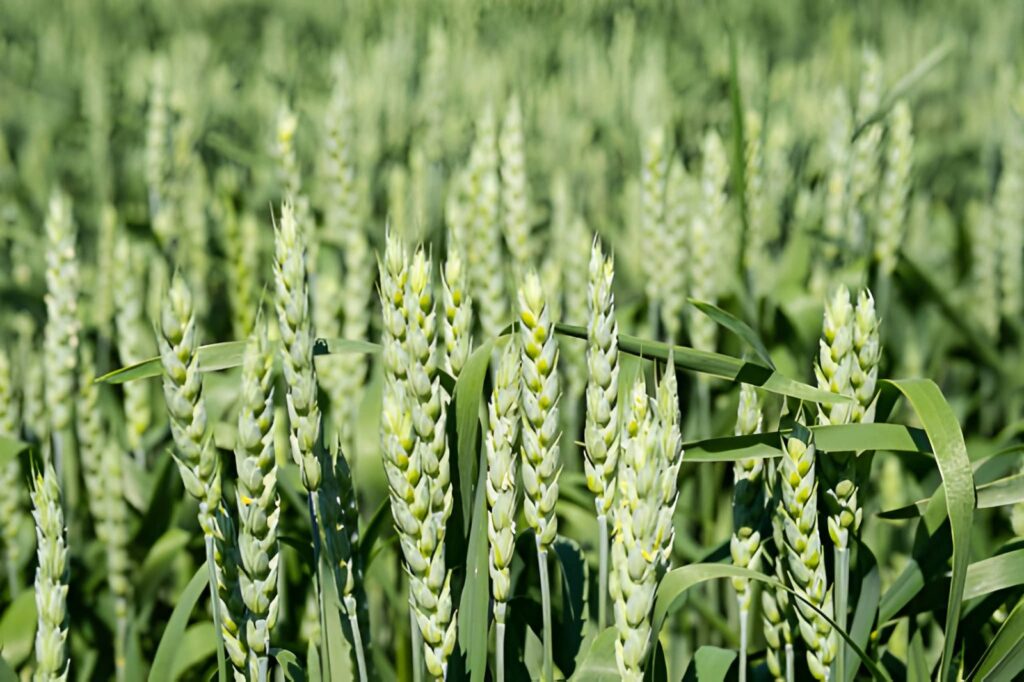
    Sustainable crop production is becoming increasingly important as the world faces climate change, population growth, soil degradation, and rising demand for food. Farmers, consumers, businesses, and governments are looking for agricultural methods that protect natural resources while maintaining productivity and profitability. Sustainable crop production focuses on growing food, fiber, and other crops in ways that preserve the environment, support farm communities, and ensure long-term food security.

    By using practices such as PG88 crop rotation, cover cropping, organic fertilization, integrated pest management, water conservation, and reduced chemical use, sustainable farming helps create healthier ecosystems and more resilient agricultural systems. Below are the major benefits of sustainable crop production and why it matters for the future of farming.

    What Is Sustainable Crop Production?

    Sustainable  crop production is an approach to farming that aims to meet current food needs without compromising the ability of future generations to grow crops. It balances three main goals: environmental protection, economic profitability, and social responsibility.

    This method does not mean eliminating modern technology or reducing yields. Instead, it involves using resources more efficiently, improving soil health, protecting biodiversity, and reducing waste. Sustainable crop production can be applied on small family farms, large commercial farms, and urban agricultural systems.

    Improves Soil Health

    One of the greatest benefits of sustainable crop production is improved soil health. Healthy soil is the foundation of successful agriculture. It stores nutrients, supports plant roots, holds water, and provides habitat for beneficial organisms.

    Sustainable practices such as crop rotation, compost application, reduced tillage, and cover cropping help build organic matter in the soil. Organic matter improves soil structure and increases its ability to retain moisture and nutrients. This reduces the need for synthetic fertilizers and helps crops grow stronger.

    Healthy soil is also less likely to erode. Soil erosion is a major problem in conventional agriculture because wind and water can remove valuable topsoil. Sustainable farming methods protect the soil surface and keep farms productive for many years.

    Conserves Water Resources

    Water is one of the most valuable resources in agriculture. Sustainable crop production promotes efficient water use through techniques such as drip irrigation, rainwater harvesting, mulching, and soil moisture monitoring.

    These methods reduce water waste and help crops receive the right amount of moisture at the right time. By improving soil health, sustainable farming also increases the soil’s water-holding capacity. This means crops can survive better during dry periods and require less irrigation.

    Water conservation is especially important in regions affected by drought, climate change, or limited freshwater supplies. Sustainable crop production helps protect rivers, lakes, and groundwater from overuse and pollution.

    Reduces Environmental Pollution

    Conventional farming can sometimes rely heavily on synthetic fertilizers, pesticides, and herbicides. When used excessively, these chemicals can run off into nearby waterways, harming fish, wildlife, and human health.

    Sustainable crop production reduces pollution by encouraging responsible input use. Farmers may use organic fertilizers, biological pest control, precision agriculture, and integrated pest management. These approaches help control pests and maintain crop yields while minimizing chemical use.

    Reducing pollution also improves air quality. Practices such as reduced tillage and better nutrient management can lower greenhouse gas emissions from farms. This makes sustainable agriculture an important tool in fighting climate change.

    Supports Biodiversity

    Biodiversity refers to the variety of plants, animals, insects, and microorganisms in an ecosystem. Sustainable crop production supports biodiversity by creating healthier farm environments.

    Farmers can plant hedgerows, maintain natural habitats, grow diverse crops, and avoid harmful pesticide overuse. These practices help protect pollinators such as bees and butterflies, which are essential for many crops. They also support beneficial insects that naturally control pests.

    A farm with greater biodiversity is often more resilient. If one crop fails or one pest becomes a problem, a diverse farming system can recover more easily. Biodiversity also contributes to healthier ecosystems beyond the farm.

    Increases Climate Resilience

    Climate change is creating more extreme weather events, including droughts, floods, heat waves, and storms. Sustainable crop production helps farmers adapt to these challenges.

    Practices such as cover cropping, agroforestry, water-efficient irrigation, and improved soil management make farms more resilient. Healthy soil absorbs heavy rainfall more effectively and stores water for dry periods. Diverse cropping systems reduce the risk of total crop failure.

    Sustainable farming can also help reduce agriculture’s contribution to climate change. By increasing soil carbon storage and reducing fossil fuel use, sustainable crop production can lower greenhouse gas emissions.

    Improves Long-Term Farm Profitability

    While some sustainable practices may require an initial investment, they can improve profitability over time. Healthier soil, reduced chemical use, efficient water management, and lower input costs can increase farm income.

    Farmers who use sustainable crop production may spend less on synthetic fertilizers, pesticides, and irrigation. They may also benefit from premium markets for organic, eco-friendly, or sustainably grown products. As consumers become more interested in responsible food choices, demand for sustainable crops continues to grow.

    Long-term profitability depends on protecting the resources that farms rely on. Sustainable agriculture helps farmers maintain productive land and reduce financial risks caused by soil degradation, water shortages, and climate-related damage.

    Promotes Food Security

    Food security means that people have reliable access to enough safe and nutritious food. Sustainable crop production plays a key role in global food security by ensuring that farmland remains productive for future generations.

    By protecting soil, conserving water, and reducing environmental damage, sustainable farming supports stable crop yields over the long term. It also reduces dependence on nonrenewable resources and helps communities become more self-reliant.

    In areas vulnerable to hunger or climate stress, sustainable agriculture can improve local food systems. Farmers can grow diverse crops that provide better nutrition and reduce the risk of food shortages.

    Protects Human Health

    Sustainable crop production benefits human health in several ways. Reduced chemical use can lower exposure to harmful pesticides for farmers, farmworkers, and consumers. Cleaner water and air also contribute to healthier communities.

    Sustainable farming often encourages the production of diverse and nutrient-rich foods. Fruits, vegetables, legumes, and whole grains grown using responsible methods support healthier diets. In addition, farming systems that protect the environment help reduce health risks linked to pollution and climate change.

    Strengthens Rural Communities

    Sustainable crop production can support rural development by creating jobs, improving farm stability, and encouraging local food systems. When farmers use methods that protect natural resources, they help secure the future of their communities.

    Local sustainable farming can also strengthen relationships between producers and consumers. Farmers markets, community-supported agriculture, and local food businesses provide opportunities for economic growth. These systems keep more money within local communities and promote trust in the food supply.

    Conclusion

    The benefits of sustainable crop production are wide-ranging and essential for the future of agriculture. It improves soil health, conserves water, reduces pollution, protects biodiversity, and increases resilience to climate change. It also supports farm profitability, food security, human health, and stronger rural communities.

    As global demand for food continues to rise, sustainable crop production offers a practical path forward. By adopting responsible farming practices today, we can protect natural resources, support farmers, and ensure that future generations have access to healthy and abundant food. Sustainable agriculture is not just an environmental choice—it is an investment in a more Xổ số PG88  secure and productive future.

  • Hello world!

    Welcome to WordPress. This is your first post. Edit or delete it, then start writing!