Benefits of Sustainable Crop Production
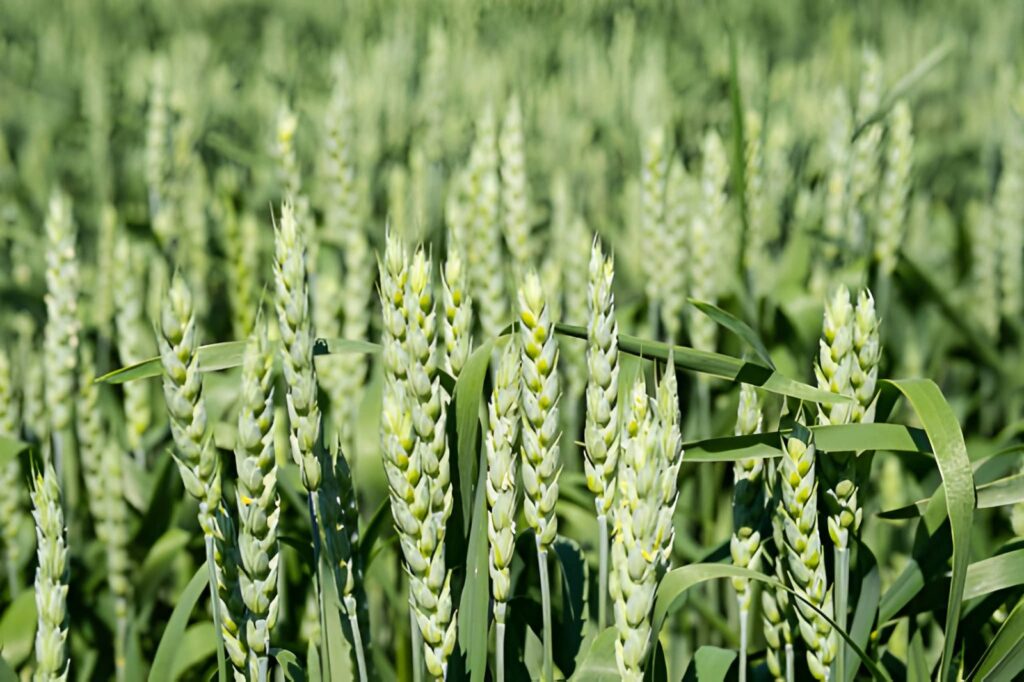
Sustainable crop production is becoming increasingly important as the world faces climate change, population growth, soil degradation, and rising demand for food. Farmers, consumers, businesses, and governments are looking for agricultural methods that protect natural resources while maintaining productivity and profitability. Sustainable crop production focuses on growing food, fiber, and other crops in ways that preserve the environment, support farm communities, and ensure long-term food security.
By using practices such as PG88 crop rotation, cover cropping, organic fertilization, integrated pest management, water conservation, and reduced chemical use, sustainable farming helps create healthier ecosystems and more resilient agricultural systems. Below are the major benefits of sustainable crop production and why it matters for the future of farming.
What Is Sustainable Crop Production?
Sustainable crop production is an approach to farming that aims to meet current food needs without compromising the ability of future generations to grow crops. It balances three main goals: environmental protection, economic profitability, and social responsibility.
This method does not mean eliminating modern technology or reducing yields. Instead, it involves using resources more efficiently, improving soil health, protecting biodiversity, and reducing waste. Sustainable crop production can be applied on small family farms, large commercial farms, and urban agricultural systems.
Improves Soil Health
One of the greatest benefits of sustainable crop production is improved soil health. Healthy soil is the foundation of successful agriculture. It stores nutrients, supports plant roots, holds water, and provides habitat for beneficial organisms.
Sustainable practices such as crop rotation, compost application, reduced tillage, and cover cropping help build organic matter in the soil. Organic matter improves soil structure and increases its ability to retain moisture and nutrients. This reduces the need for synthetic fertilizers and helps crops grow stronger.
Healthy soil is also less likely to erode. Soil erosion is a major problem in conventional agriculture because wind and water can remove valuable topsoil. Sustainable farming methods protect the soil surface and keep farms productive for many years.
Conserves Water Resources
Water is one of the most valuable resources in agriculture. Sustainable crop production promotes efficient water use through techniques such as drip irrigation, rainwater harvesting, mulching, and soil moisture monitoring.
These methods reduce water waste and help crops receive the right amount of moisture at the right time. By improving soil health, sustainable farming also increases the soil’s water-holding capacity. This means crops can survive better during dry periods and require less irrigation.
Water conservation is especially important in regions affected by drought, climate change, or limited freshwater supplies. Sustainable crop production helps protect rivers, lakes, and groundwater from overuse and pollution.
Reduces Environmental Pollution
Conventional farming can sometimes rely heavily on synthetic fertilizers, pesticides, and herbicides. When used excessively, these chemicals can run off into nearby waterways, harming fish, wildlife, and human health.
Sustainable crop production reduces pollution by encouraging responsible input use. Farmers may use organic fertilizers, biological pest control, precision agriculture, and integrated pest management. These approaches help control pests and maintain crop yields while minimizing chemical use.
Reducing pollution also improves air quality. Practices such as reduced tillage and better nutrient management can lower greenhouse gas emissions from farms. This makes sustainable agriculture an important tool in fighting climate change.
Supports Biodiversity
Biodiversity refers to the variety of plants, animals, insects, and microorganisms in an ecosystem. Sustainable crop production supports biodiversity by creating healthier farm environments.
Farmers can plant hedgerows, maintain natural habitats, grow diverse crops, and avoid harmful pesticide overuse. These practices help protect pollinators such as bees and butterflies, which are essential for many crops. They also support beneficial insects that naturally control pests.
A farm with greater biodiversity is often more resilient. If one crop fails or one pest becomes a problem, a diverse farming system can recover more easily. Biodiversity also contributes to healthier ecosystems beyond the farm.
Increases Climate Resilience
Climate change is creating more extreme weather events, including droughts, floods, heat waves, and storms. Sustainable crop production helps farmers adapt to these challenges.
Practices such as cover cropping, agroforestry, water-efficient irrigation, and improved soil management make farms more resilient. Healthy soil absorbs heavy rainfall more effectively and stores water for dry periods. Diverse cropping systems reduce the risk of total crop failure.
Sustainable farming can also help reduce agriculture’s contribution to climate change. By increasing soil carbon storage and reducing fossil fuel use, sustainable crop production can lower greenhouse gas emissions.
Improves Long-Term Farm Profitability
While some sustainable practices may require an initial investment, they can improve profitability over time. Healthier soil, reduced chemical use, efficient water management, and lower input costs can increase farm income.
Farmers who use sustainable crop production may spend less on synthetic fertilizers, pesticides, and irrigation. They may also benefit from premium markets for organic, eco-friendly, or sustainably grown products. As consumers become more interested in responsible food choices, demand for sustainable crops continues to grow.
Long-term profitability depends on protecting the resources that farms rely on. Sustainable agriculture helps farmers maintain productive land and reduce financial risks caused by soil degradation, water shortages, and climate-related damage.
Promotes Food Security
Food security means that people have reliable access to enough safe and nutritious food. Sustainable crop production plays a key role in global food security by ensuring that farmland remains productive for future generations.
By protecting soil, conserving water, and reducing environmental damage, sustainable farming supports stable crop yields over the long term. It also reduces dependence on nonrenewable resources and helps communities become more self-reliant.
In areas vulnerable to hunger or climate stress, sustainable agriculture can improve local food systems. Farmers can grow diverse crops that provide better nutrition and reduce the risk of food shortages.
Protects Human Health
Sustainable crop production benefits human health in several ways. Reduced chemical use can lower exposure to harmful pesticides for farmers, farmworkers, and consumers. Cleaner water and air also contribute to healthier communities.
Sustainable farming often encourages the production of diverse and nutrient-rich foods. Fruits, vegetables, legumes, and whole grains grown using responsible methods support healthier diets. In addition, farming systems that protect the environment help reduce health risks linked to pollution and climate change.
Strengthens Rural Communities
Sustainable crop production can support rural development by creating jobs, improving farm stability, and encouraging local food systems. When farmers use methods that protect natural resources, they help secure the future of their communities.
Local sustainable farming can also strengthen relationships between producers and consumers. Farmers markets, community-supported agriculture, and local food businesses provide opportunities for economic growth. These systems keep more money within local communities and promote trust in the food supply.
Conclusion
The benefits of sustainable crop production are wide-ranging and essential for the future of agriculture. It improves soil health, conserves water, reduces pollution, protects biodiversity, and increases resilience to climate change. It also supports farm profitability, food security, human health, and stronger rural communities.
As global demand for food continues to rise, sustainable crop production offers a practical path forward. By adopting responsible farming practices today, we can protect natural resources, support farmers, and ensure that future generations have access to healthy and abundant food. Sustainable agriculture is not just an environmental choice—it is an investment in a more Xổ số PG88 secure and productive future.